Before traveling, the concept of sustainability seemed like an environmental term used mainly in textbooks, documentaries, or news reports. I understood the basic idea—that people should protect nature and use resources responsibly—but it never felt closely connected to my daily life. Sustainability sounded like a big global mission that governments, scientists, and environmental organizations were responsible for managing.
At that time, I never thought deeply about how my lifestyle affected the environment. Simple actions such as buying bottled drinks, using plastic bags, or wasting food seemed normal because they were part of everyday life. Most people around me behaved the same way, so I never questioned those habits. Sustainability was something I respected in theory, but I rarely applied it in practice.
Like many people, I believed that individual actions were too small to make a real difference. After all, how much impact could one person have on global environmental problems? This mindset is common because environmental issues often feel too large and distant to influence personally. Without seeing real consequences, sustainability can remain just an abstract concept.
Everything started to change when I began traveling. Visiting new places exposed me to different environments, cultures, and ways of living. Slowly, I began to see sustainability not as a distant concept but as something that directly affects communities, ecosystems, and everyday life.
Why Sustainability Felt Unimportant Before Traveling
Before experiencing the world through travel, sustainability lacked urgency in my mind. Environmental issues often appeared as statistics or news headlines rather than real-life situations. Because of this distance, it was easy to ignore the impact of everyday habits.
Travel changed this perspective dramatically. Being physically present in different environments makes environmental problems much more visible. For example, seeing pollution on a beach or overcrowding in a famous destination creates a powerful emotional response. Suddenly, sustainability is no longer just a theoretical idea—it becomes a visible challenge affecting real places and real people.
Travel also reveals how closely communities depend on natural resources. In many places, people rely on clean water, fertile soil, and healthy ecosystems for their livelihoods. Witnessing this connection between humans and nature makes sustainability feel far more personal and important.
This shift in awareness is one of the most powerful effects of travel. It transforms environmental responsibility from an abstract concept into a meaningful part of life.
The Turning Point – How Traveling Changed My Perspective on Sustainability
Seeing Environmental Problems While Traveling
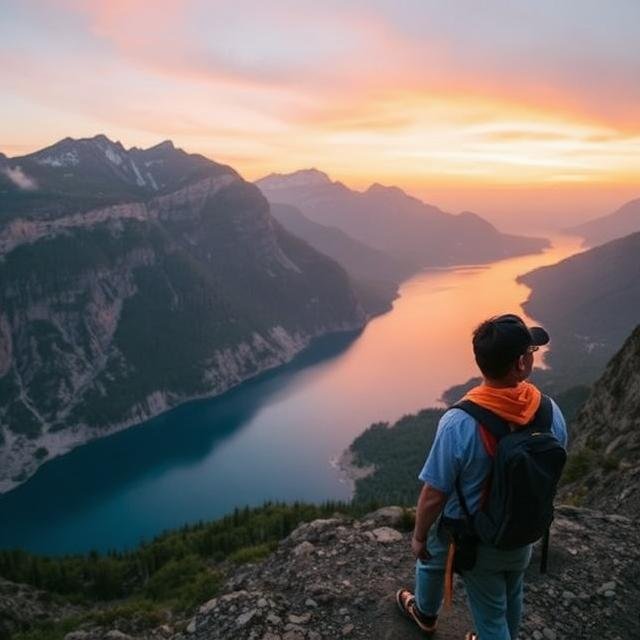
One of the most important ways traveling changed my perspective on sustainability was by showing me environmental challenges firsthand. Before traveling, I had seen beautiful landscapes mostly through photographs and social media posts. These images often present destinations in their most perfect form—clear water, clean beaches, and untouched forests.
However, visiting these places in person sometimes revealed a different reality. In certain locations, natural areas were struggling with pollution, overcrowding, and excessive tourism. Seeing plastic waste in beautiful environments or witnessing fragile ecosystems under pressure created a strong emotional reaction.
These experiences made me realize that tourism, while exciting and beneficial in many ways, can also create environmental problems if it is not managed responsibly. Travelers bring economic opportunities to destinations, but they also increase waste, resource consumption, and pressure on natural landscapes.
Recognizing these challenges was the first step in understanding the importance of sustainable travel.
Real Experiences That Changed My Thinking
Travel provides lessons that books or online articles cannot easily replicate. Real experiences create stronger emotional connections and deeper understanding. During my journeys, I encountered places where environmental protection was taken very seriously.
Some destinations limited the number of visitors allowed each day in order to protect fragile ecosystems. Others encouraged tourists to avoid plastic products or required travelers to follow strict environmental rules. At first, these regulations seemed inconvenient. But once I understood the reasons behind them, I began to appreciate their importance.
These experiences showed me that sustainability is not about restricting travel—it is about protecting the places we love so that future generations can enjoy them too.
Lessons About Sustainability I Learned Through Traveling
Learning Sustainable Living From Local Communities
Another powerful way traveling changed my perspective on sustainability was through interactions with local communities. In many places, people naturally follow sustainable practices without labeling them as environmental activism.
For example, in smaller towns and villages, people often grow their own food, reuse materials, and repair items instead of throwing them away. These habits reduce waste and conserve resources without requiring complex technology or large investments.
Observing these lifestyles made me realize that sustainability is often built on simple principles: respect for nature, responsible use of resources, and community cooperation. These lessons were far more impactful than theoretical discussions about environmental protection.
Observing Nature and Environmental Balance
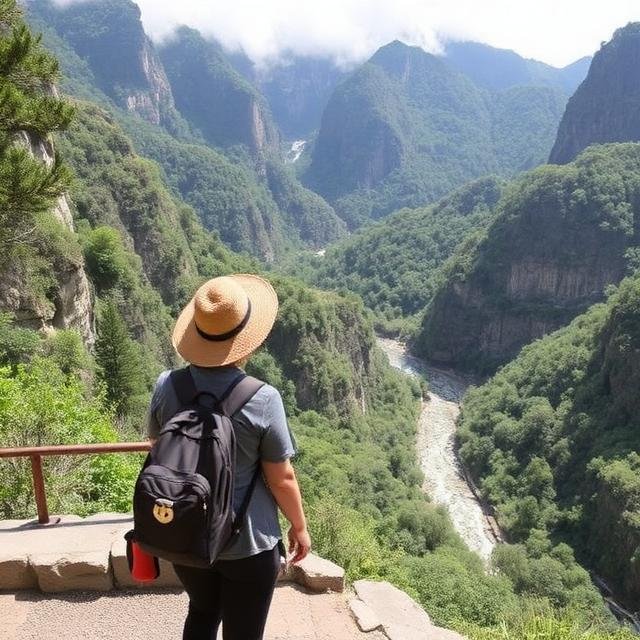
Travel also offers opportunities to observe the delicate balance of natural ecosystems. Whether hiking in forests, visiting mountains, or exploring coastal regions, nature constantly demonstrates how interconnected everything is.
Healthy ecosystems rely on balance. When human activities disrupt that balance—through pollution, deforestation, or overdevelopment—the consequences become visible quickly. Seeing these effects firsthand strengthened my appreciation for environmental protection.
Travel helped me understand that sustainability is not just about protecting nature for aesthetic reasons. It is about maintaining the systems that support life on Earth.
The Impact of Tourism on Sustainability
How Travel Can Harm the Environment
Although travel offers many benefits, it can also create environmental challenges. Transportation, accommodation, and tourism infrastructure all require energy and resources. Large numbers of visitors can generate waste, increase pollution, and damage natural habitats.
Overcrowded destinations often struggle with waste management and water consumption. Beaches, mountains, and historic cities can experience environmental stress when visitor numbers exceed sustainable limits.
Recognizing these challenges does not mean travel should stop. Instead, it highlights the importance of responsible tourism practices that minimize environmental impact.
How Responsible Travel Supports Sustainability
Travel can also support sustainability when done responsibly. Eco-friendly accommodations, conservation-focused tours, and community-based tourism projects help protect natural environments while supporting local economies.
When travelers choose environmentally responsible services, they encourage businesses to adopt sustainable practices. This creates a positive cycle where tourism becomes a tool for environmental protection rather than environmental damage.
Practical Ways Traveling Changed My Sustainable Habits
Sustainable Transportation Choices
One of the practical ways traveling changed my perspective on sustainability was by influencing my transportation choices. Instead of always choosing the fastest option, I started considering the environmental impact of different travel methods.
Whenever possible, I began choosing trains, buses, or shared transportation. Walking and cycling also became part of my travel routine, allowing me to explore destinations more slowly while reducing emissions.
These choices not only reduce environmental impact but also create richer travel experiences.
Reducing Waste While Traveling
Travel also encouraged me to adopt habits that reduce waste. Carrying reusable water bottles, shopping bags, and food containers helps minimize single-use plastic consumption during trips.
These habits eventually became part of my daily life as well. What started as travel practices gradually turned into long-term lifestyle changes.
Why Traveling Changes People’s Views on Sustainability
The Power of Real-Life Experiences
The reason traveling changes perspectives on sustainability so effectively is simple: real experiences are powerful teachers. When people see environmental challenges or sustainable solutions with their own eyes, the lessons become personal.
Travel connects individuals with the planet in a way that classroom learning cannot. It allows people to witness both the beauty of nature and the consequences of environmental neglect.
This combination often inspires travelers to adopt more sustainable habits and advocate for environmental protection.
Conclusion
Travel has a remarkable ability to transform how we think about the world. For many people, including myself, traveling changed my perspective on sustainability by turning environmental awareness into a personal experience.
Through travel, I witnessed both the beauty of natural environments and the challenges they face. I learned valuable lessons from local communities and discovered how individual choices can contribute to environmental protection.
Sustainability is no longer just a concept—it is a responsibility shared by everyone who explores the planet. By traveling thoughtfully and making conscious decisions, we can enjoy the world while helping protect it for future generations.
FAQs
1. Why does traveling change people’s views on sustainability?
Travel exposes people to environmental challenges and sustainable practices in real life, making sustainability more personal and meaningful.
2. What is sustainable travel?
Sustainable travel focuses on exploring destinations responsibly while minimizing environmental impact and supporting local communities.
3. Can tourism be environmentally friendly?
Yes, tourism can support sustainability when travelers choose eco-friendly accommodations, responsible tour operators, and environmentally conscious activities.
4. What are simple ways travelers can be more sustainable?
Travelers can reduce waste, use reusable products, choose sustainable transportation, and support local businesses.
5. How can travel inspire environmental responsibility?
By witnessing natural beauty and environmental challenges firsthand, travelers often develop a stronger desire to protect the planet.